Features:
Outer Layer: High-quality synthetic leather (usually polyurethane) for durability and water resistance.
Bladder: Latex or butyl for optimal air retention and shape maintenance.
Lining: Multiple layers of polyester and cotton for better control and touch.
Construction:
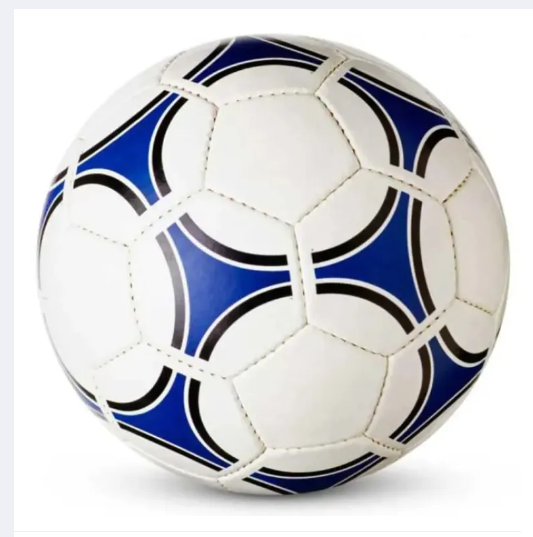
Panel Configuration: The number of panels affects the ball’s aerodynamics and control. Traditional designs have 32 panels, while modern designs can have fewer panels for better flight stability.
Thermal Bonding: Modern balls often use thermal bonding instead of stitching to reduce water uptake and ensure a more uniform surface.
Aerodynamics:
FIFA Quality Pro certification involves rigorous testing for weight, circumference, roundness, rebound, water absorption, loss of pressure, and flight stability.
Description:
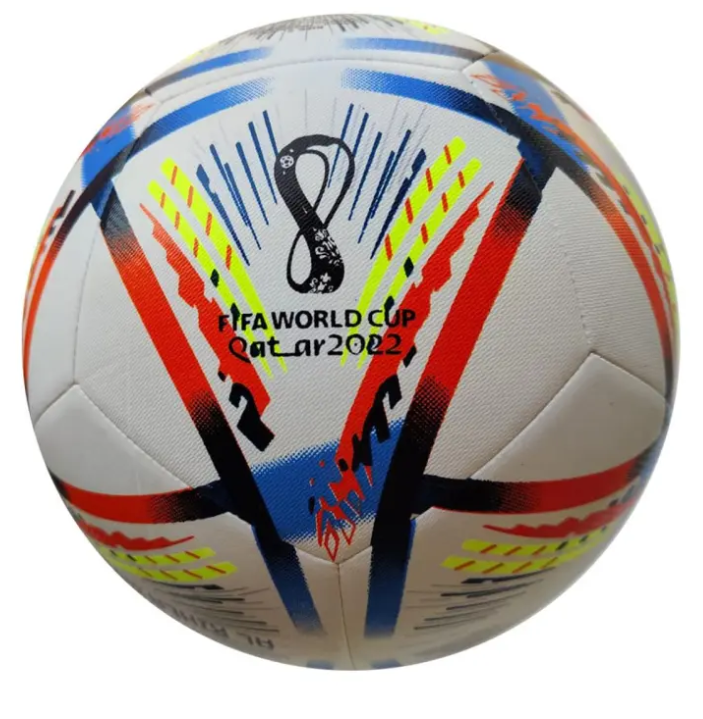
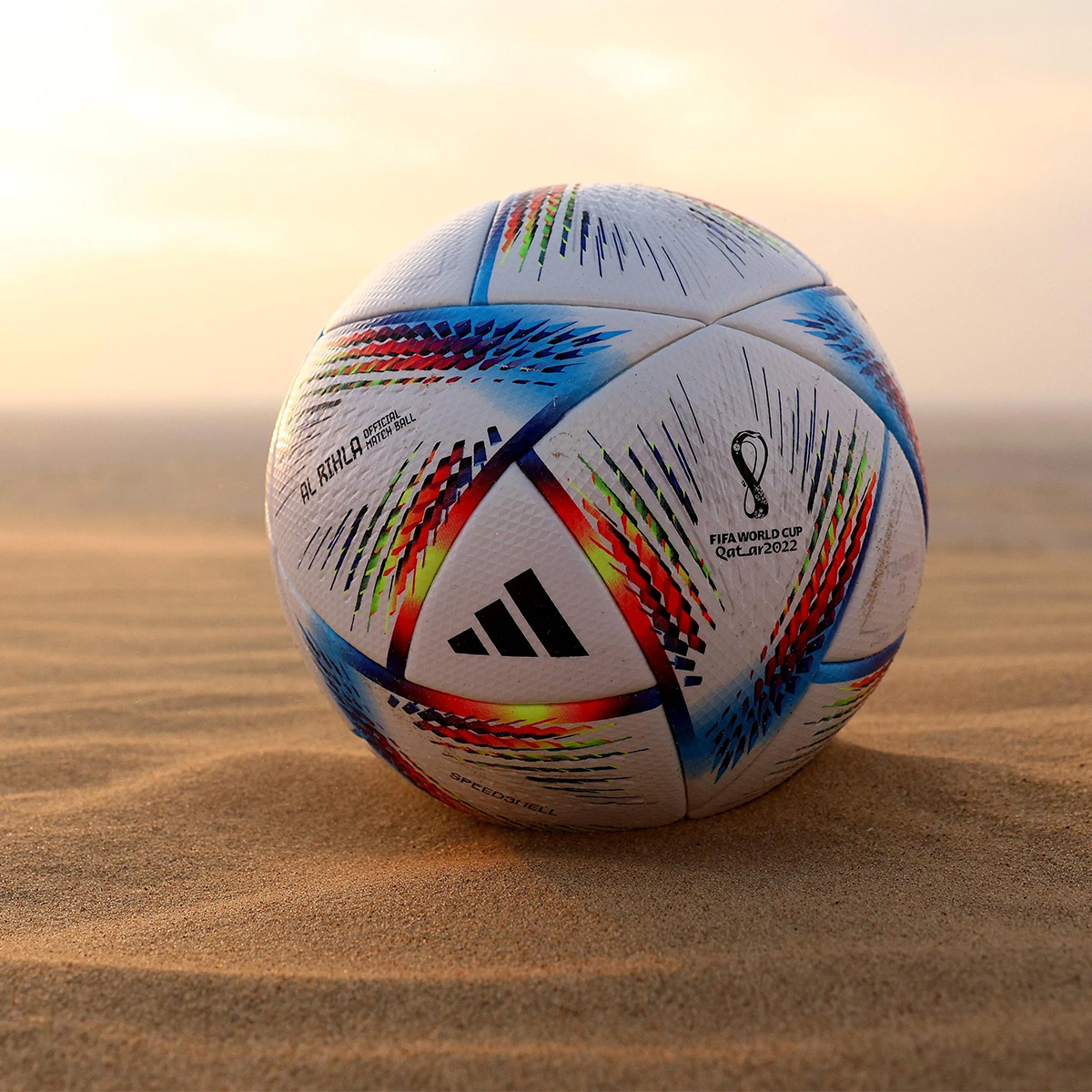
The design of footballs, especially those used in high-profile tournaments like the FIFA World Cup, involves a combination of advanced technology, material science, and aesthetic considerations. Here’s an overview of what goes into the design of high-quality footballs and the latest trends in football design: