

6 kg Ankle Weight – Detailed Introduction
Overview:
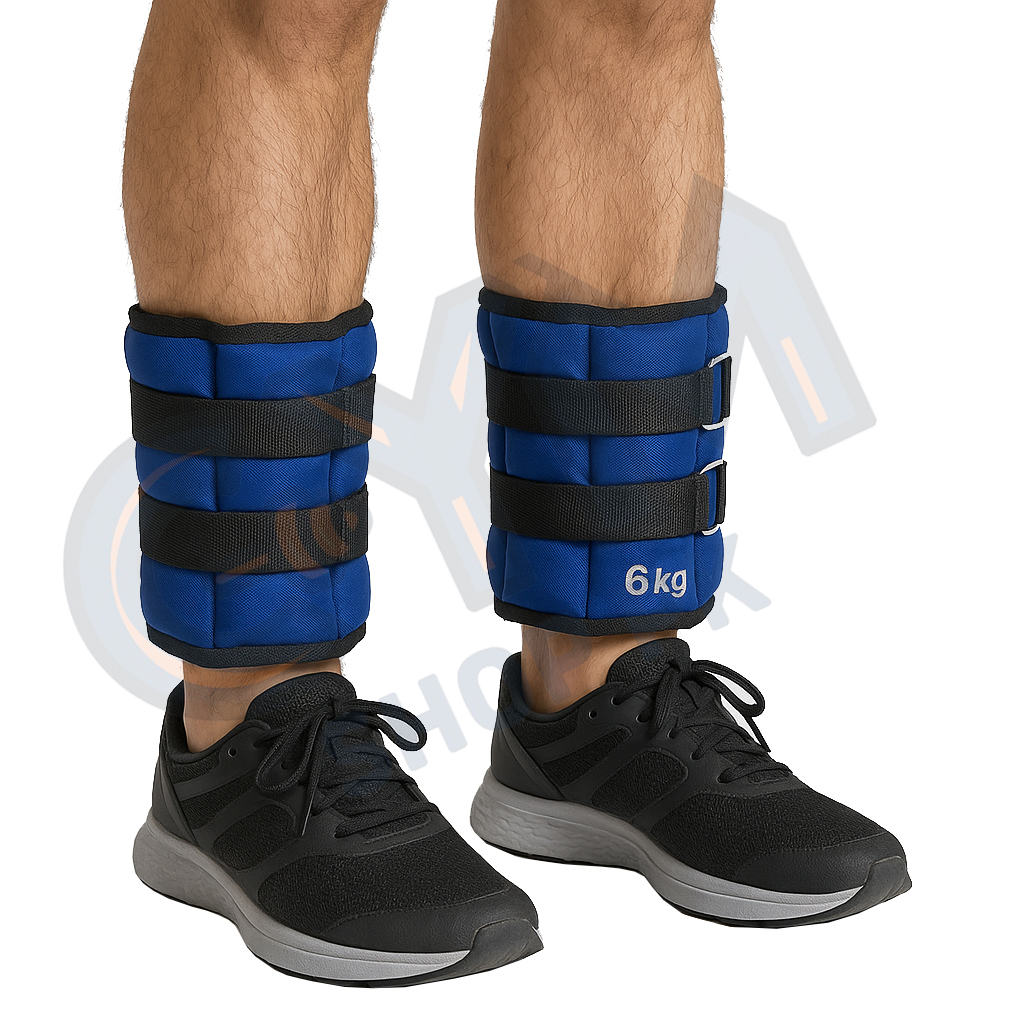
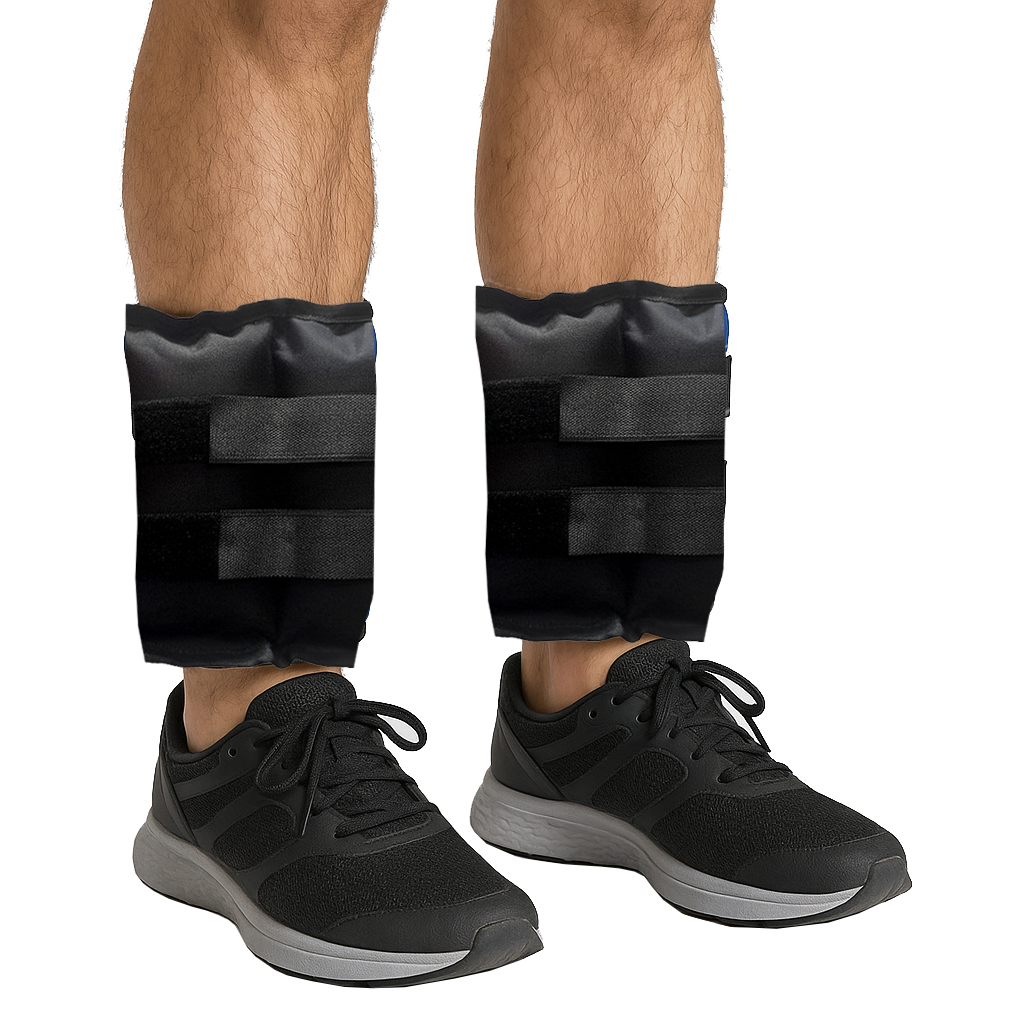
A 6 kg ankle weight is a versatile fitness accessory used to increase resistance during lower-body exercises. Designed to be worn around the ankles, this weight challenges your muscles more than bodyweight exercises alone, enhancing strength, endurance, and coordination. It's ideal for both beginners and intermediate users who want to level up their fitness or rehabilitation routines.
Key Features:
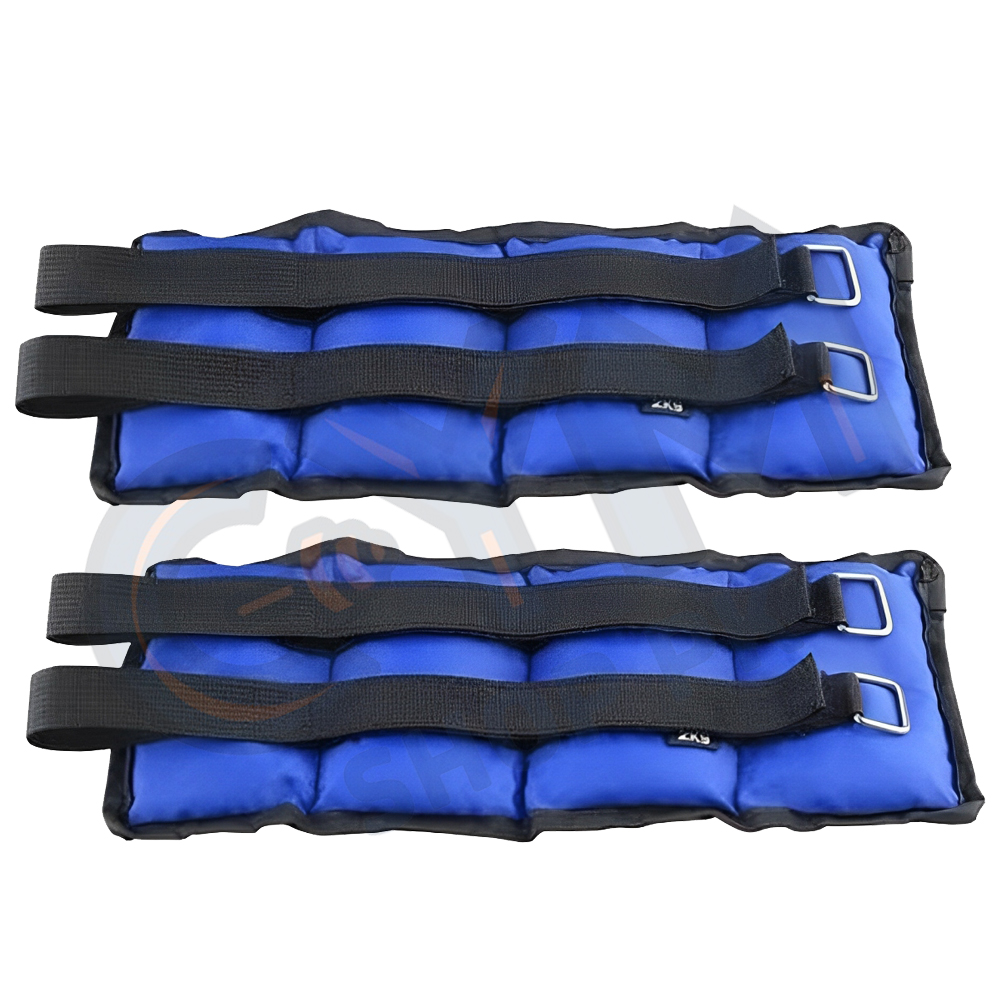
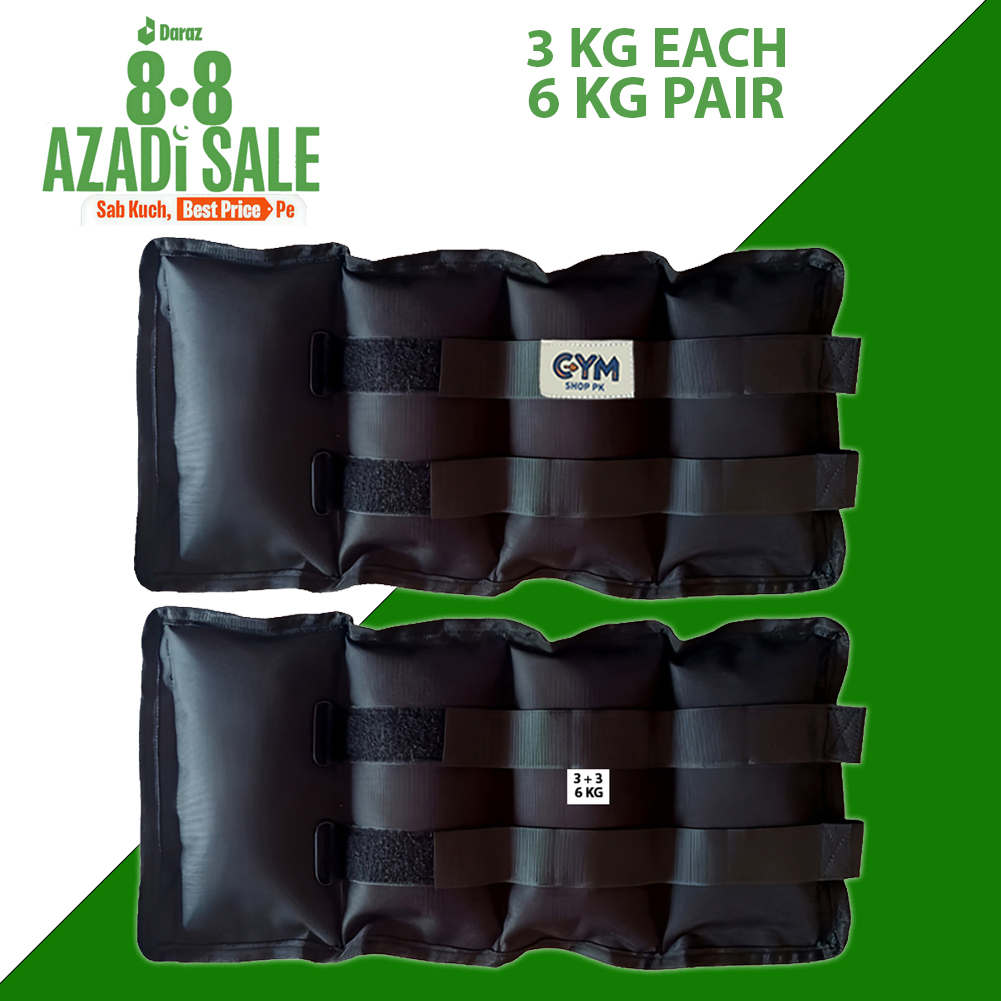
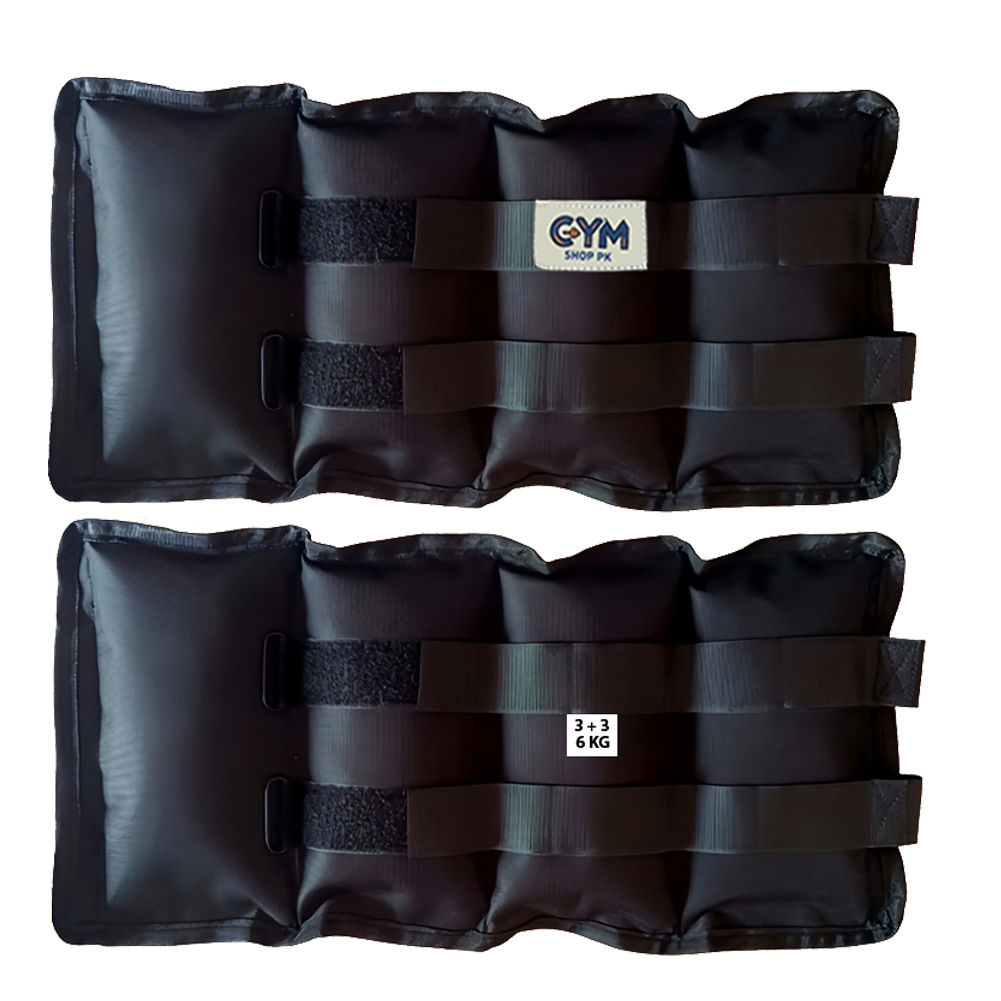
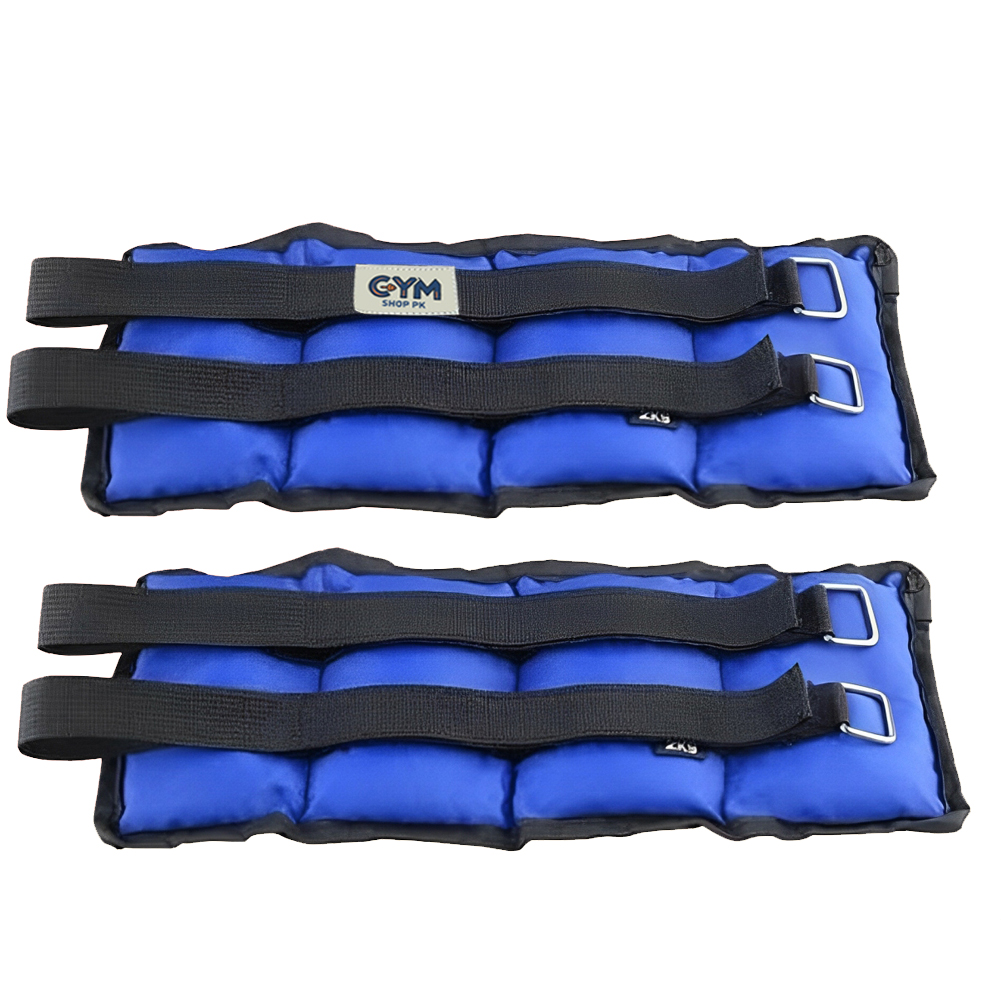
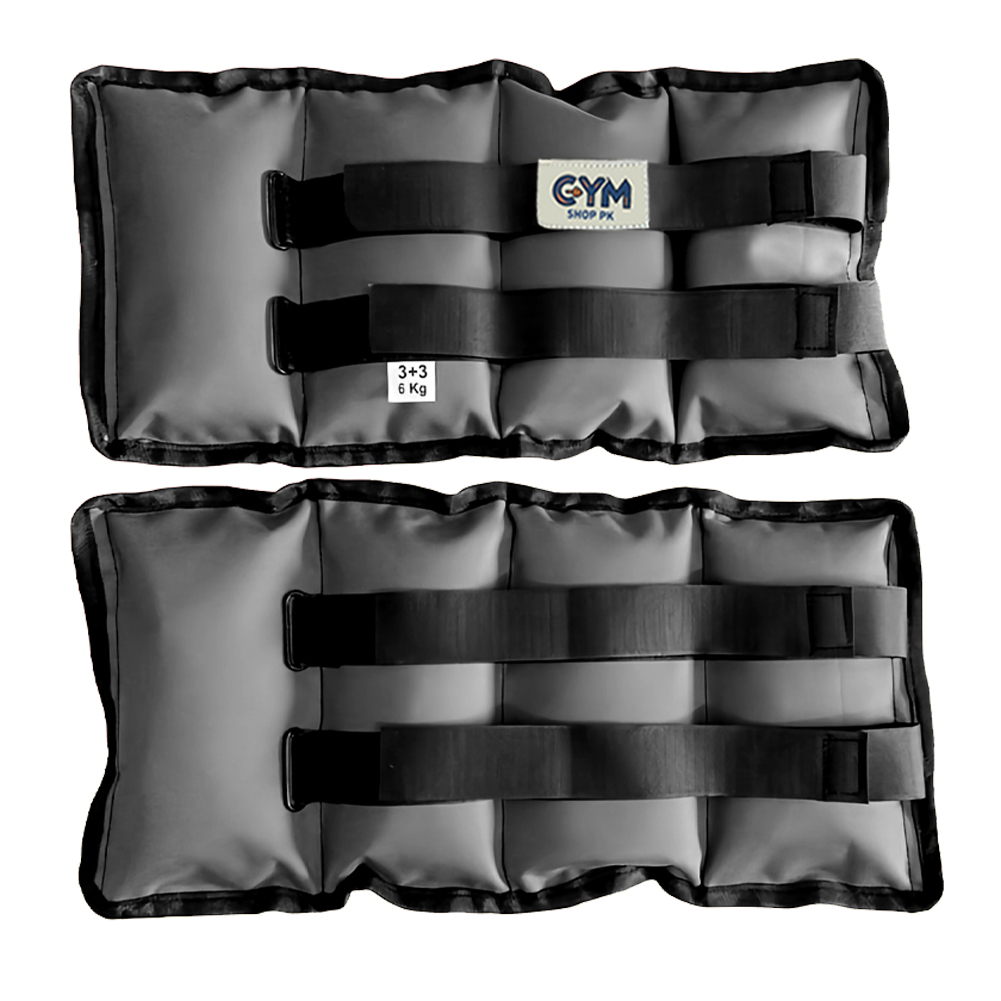
- Total Weight: 6 kilograms per pair (commonly 3 kg per ankle), though some models may allow adjustable increments.
- Construction: Made from durable materials such as neoprene, reinforced nylon, or Oxford fabric. Filled with iron sand, steel shot, or weighted bars, evenly distributed for balance and comfort.
- Adjustability: Many 6 kg ankle weights offer removable weight pouches (e.g., 0.5 kg increments) so users can customize the load based on their exercise type or fitness level.
- Closure System: Features strong Velcro or hook-and-loop straps for a snug, secure fit during movement, preventing slippage and discomfort.
- Ergonomic Fit: Curved, padded design that conforms to the ankle shape for comfortable long-duration use without chafing.
Benefits:
- Lower Body Strengthening: Targets glutes, hamstrings, quadriceps, and calves, enhancing muscle tone and balance.
- Improved Cardiovascular Workouts: Increases intensity of walking, jogging, and aerobic routines, helping burn more calories.
- Rehabilitation Support: Useful in physiotherapy and post-injury recovery programs (under supervision), helping rebuild leg strength.
- Enhanced Flexibility & Endurance: Promotes better control and stability through slow, resistance-based motion.
Use Cases:
- Home workouts for leg raises, donkey kicks, and lunges.
- Walking or treadmill training with added resistance.
- Martial arts or kickboxing drills to improve leg power.
- Rehab exercises for muscle activation post-injury (when recommended).
Safety Tips:
- Start Slow: Use for short periods, especially if new to ankle weights.
- Use on Low-Impact Movements: Avoid using during running or jumping to prevent joint stress.
- Warm-Up Required: Always do a proper warm-up to prep your muscles and joints.
- Consult a Trainer: Especially important if you're using them for therapy or injury recovery.